
What Most Sellers Get Wrong When Trying to Buy Before They Sell in DFW

What Most Sellers Get Wrong When Trying to Buy Before They Sell in DFW
Most sellers trying to buy before they sell are looking for an easy button.
They want convenience. They want certainty. They want to avoid the stress of showings, timing, and moving twice.
And in a lot of cases, that is completely understandable.
But that is also where things start to go wrong.
They Are Solving for Convenience, Not Strategy
When someone says they want to buy before they sell, it usually comes down to a few things:
- They do not want to deal with showings
- They are on a tight timeline
- They want certainty that their home will sell
- They want the process to feel easier
In reality, it is usually a combination of all of the above.
The problem is, convenience comes at a cost.
And most sellers do not fully understand what that cost actually is.
They Think They Will Get Market Value
A common assumption is that they can use a program like Homeward, Orchard, or Opendoor and still get market value for their home.
That is not how it works.
These companies are not taking on risk for free.
They are buying your home at a discount to protect themselves. In many cases, that can be up to 20 percent below market value.
There is often the promise of a second check after the home sells on the open market.
What gets missed are the caveats tied to that.
If you are trying to understand how these programs actually work and when they make sense, here is a breakdown of your options: How to Buy Before You Sell
What Happens Behind the Scenes
Once you sell to one of these companies, you lose control.
You are now operating on:
- Their timeline
- Their contractors
- Their pricing strategy
- Their decision-making
And those decisions are not centered around your bottom line.
They are centered around getting the home sold and off their books as quickly as possible.
There are often timeline requirements tied to the resale.
If the home does not sell within that window, the additional upside disappears.
Now you are not just giving up potential profit.
You are also paying service fees that can range from 7 to 10 percent or more.
Where Sellers Lose Leverage
Selling first gives you certainty.
It gives you a clear understanding of your financial position before making your next move.
When you try to buy first using these programs, you are often negotiating your next deal while there are still unknowns.
I have seen sellers pull money from savings to make a deal work, assuming they will replace it once their home sells.
That money is not guaranteed.
Now you are negotiating from a place of assumption instead of certainty.
That is where leverage starts to slip.
This is also why contingent offers tend to carry more risk for sellers if they are not structured properly: Should you accept a contingent offer?
The “Oh Shit” Moment
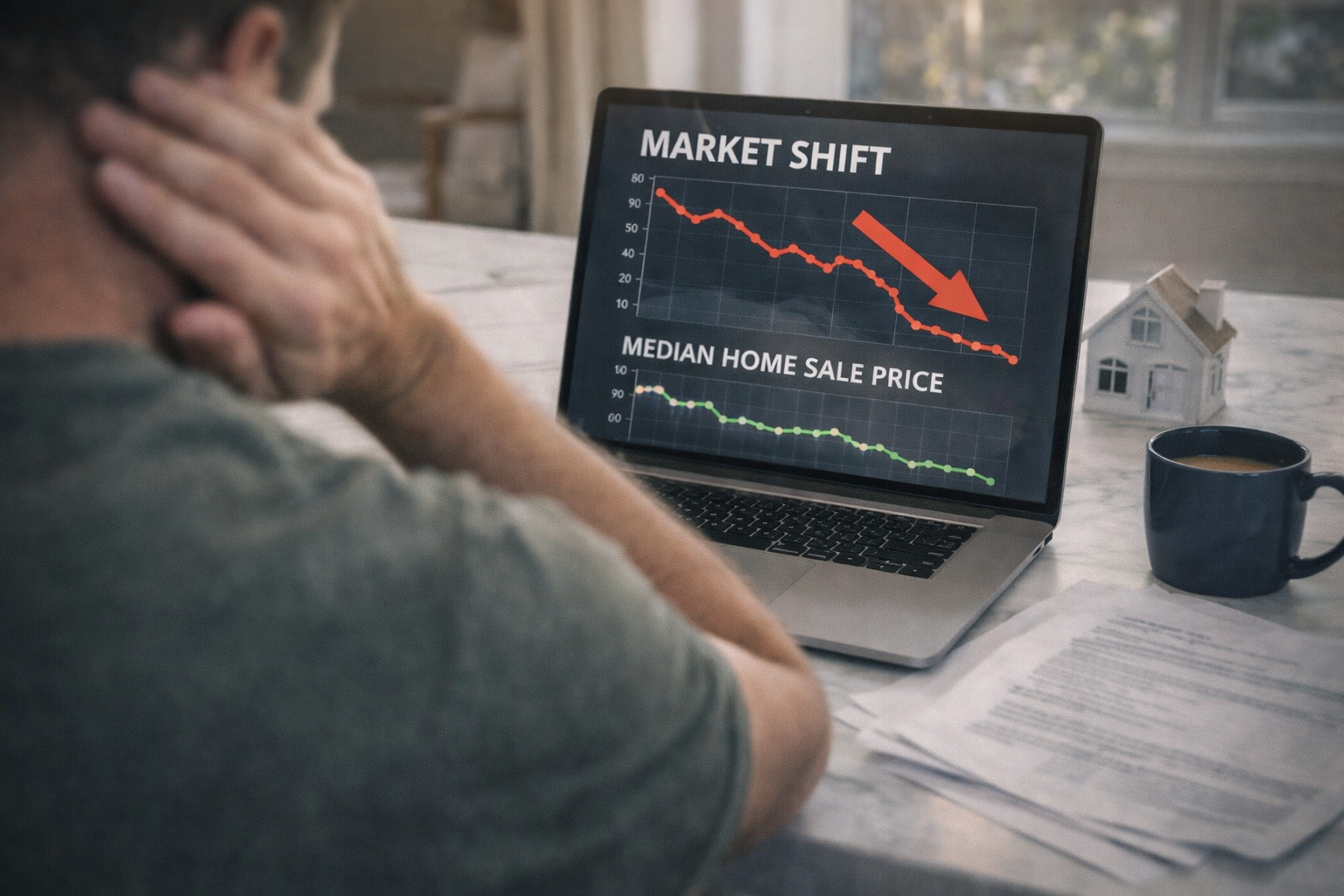
The moment that catches most sellers off guard is a market shift.
The home does not sell as expected.
The additional proceeds they were counting on never materialize.
Now they are:
- Frustrated
- Let down
- Financially stretched
And trying to make decisions under pressure.
That is not where you want to be.
What This Actually Costs
Buying before you sell is not free.
It is not even close.
You are potentially giving up:
- Up to 20 percent of your equity
- 7 to 10 percent in service fees
- Control over your own transaction
All in exchange for convenience.
Final Thought
Buying before you sell is not the problem.
The problem is not fully understanding the cost associated with that convenience.
Explore Your Options
If you are considering buying before you sell, start by understanding what your home would actually sell for on the open market.
Then evaluate your options from a position of clarity, not assumption.
FAQ
Are buy-before-you-sell programs worth it in DFW?They can be useful in certain situations, but they come at a cost. Most involve service fees and pricing structures that reduce your overall proceeds.
Do companies like Opendoor or Orchard pay market value?
Typically no. These companies price in risk and often purchase below market value, with the potential for additional proceeds depending on resale performance.