
Should You Accept a Contingent Offer on Your Home in DFW
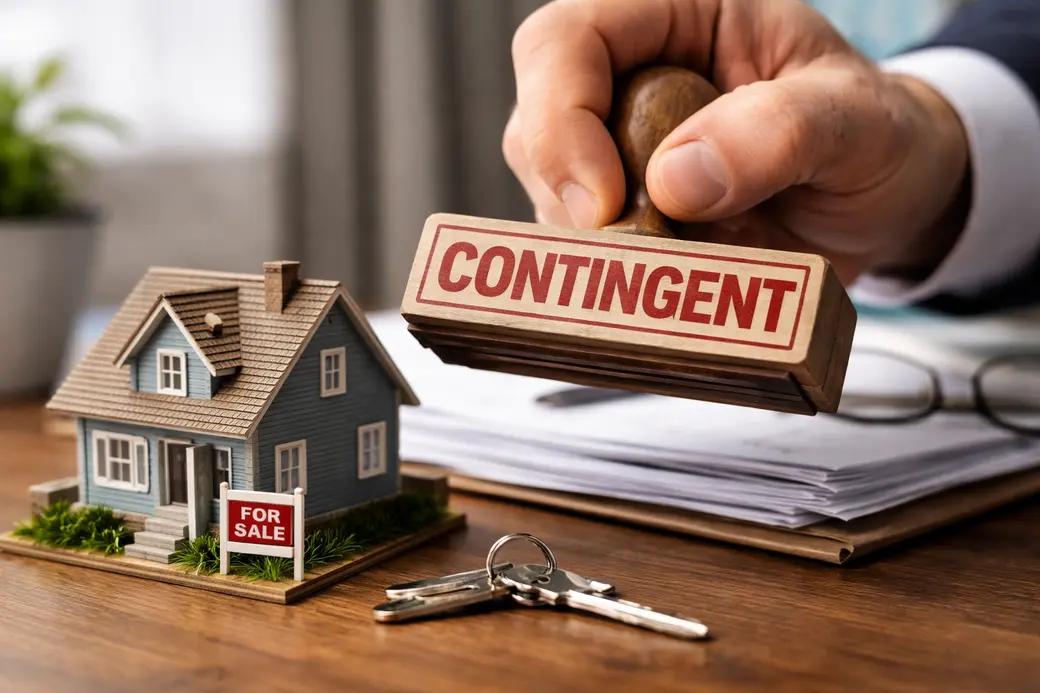
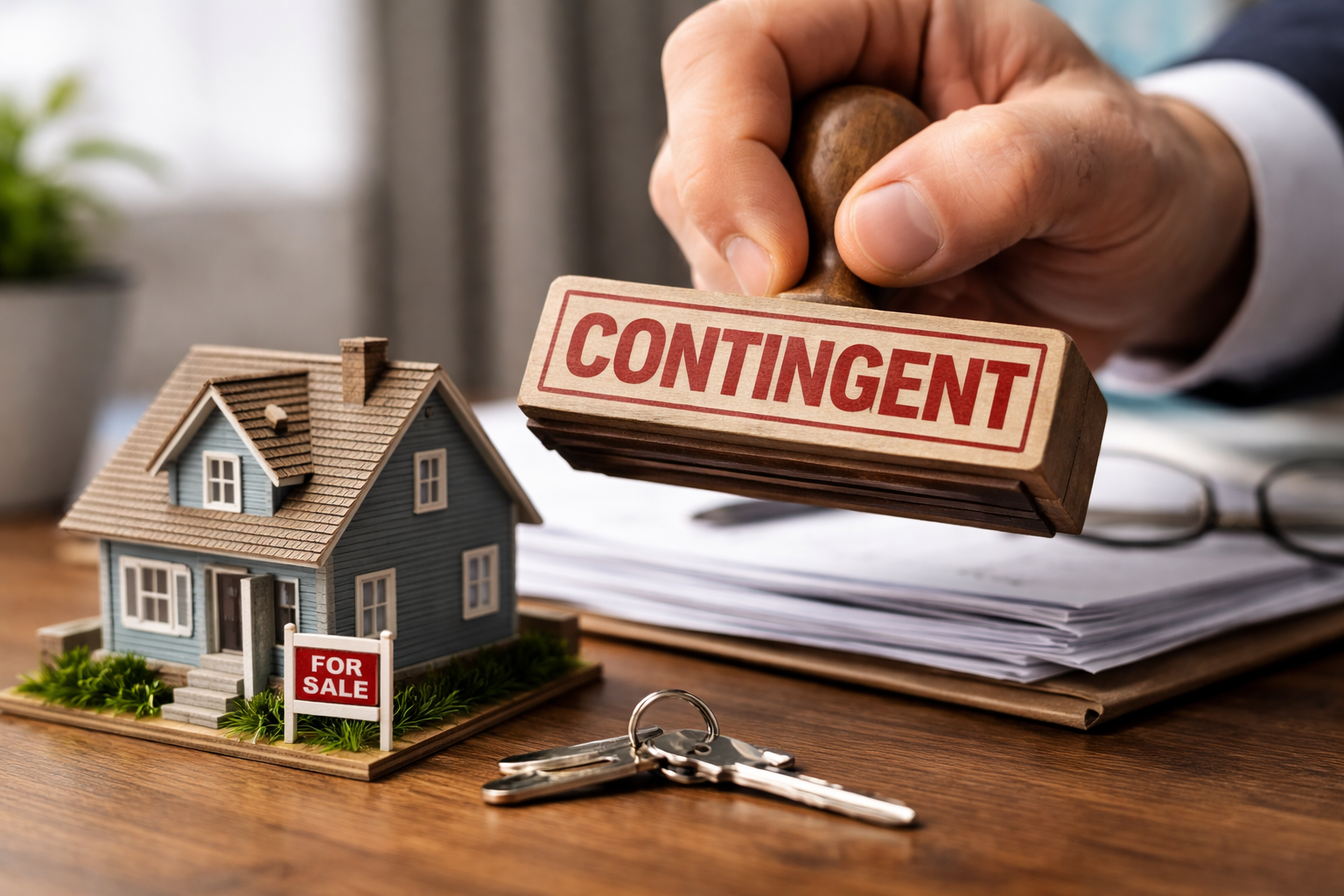
Should You Accept a Contingent Offer on Your Home in DFW
Most sellers hear “contingent offer” and immediately think no.
My honest reaction is even simpler.
Yuck.
There are too many unknowns when you are dealing with a contingent offer, and it becomes very difficult to truly protect a seller.
You are not just evaluating one buyer.
You are now relying on another transaction, another agent, another lender, and another buyer that you have zero control over.
And here is the reality.
Not all agents are good agents.
What Is a Contingent Offer
A contingent offer means the buyer needs to sell their current home before they can close on yours.
That means your sale is now dependent on whether their sale actually happens.
It introduces risk.
A lot of it.
Why Most Contingent Offers Are Weak
In my experience, only about 5 to 10 percent of contingent offers are actually worth considering.
The majority look like this:
The buyer finds a home they love, writes an offer, and then plans to put their home on the market after.
That is a non-starter.
There is far too much risk for a seller to take their home off the market for something that may or may not happen.
What Can Go Wrong
I have seen this play out in real time.
I advised a seller not to accept a contingent offer. They chose to move forward anyway.
The buyer’s buyer became unreasonable during inspections. The deal fell apart.
Now my seller is stuck in a contract, waiting for their buyer to get their home back under contract again.
They could not perform within the required timeframe.
We had to go back on the market.
And that is where the real damage happens.
Days on market start stacking up. Buyers begin to wonder what is wrong with the home. You lose leverage. You end up chasing the market down over something you never controlled in the first place.
When a Contingent Offer Might Make Sense
Not all contingent offers are bad.
But they need to be very strong.
A few things I look for immediately:
- The buyer’s home is already under contract
- They are past inspections and option period
- Their buyer is solid and likely to close
- The home is priced correctly and will appraise
- The lender is competent and far along in underwriting
Even better is when the buyer does not actually have to wait for their home to sell.
If their sale falls apart and they can still perform, that changes the entire risk profile.
The First Thing I Look At
I want to know one thing immediately.
Is their home already under contract, and how far along is it?
Then I start digging:
- Has it passed inspection
- Will it appraise
- How strong is the buyer on that deal
- How competent is the lender
- How competent is the agent
Because now you are evaluating two transactions, not one.
The Biggest Red Flag
A contingent offer where the home is not even on the market yet.
No way.
No how.

How I Protect My Sellers
If we are even considering a contingent offer, structure matters.
Yes, I use a kick-out clause.
But that is not the protection most people think it is.
Once your home shows under contract, serious buyers start skipping it.
They assume it is gone.
They do not want to compete.
Most buyers today are not looking for a fight. They are looking for a deal.
So even with a kick-out, you are still losing momentum.
That is why I continue marketing the home like it is fully available.
I want another offer.
A non-contingent one.
That gives my sellers leverage.
What Most Agents Get Wrong
They accept any contingent offer that comes along.
They think the kick-out clause will protect them and that the contingent buyer can always fall into a backup position.
That is not how buyers behave.
Serious buyers are not lining up to compete for a home that is already under contract.
You are not creating leverage.
You are limiting your pool of buyers.
Final Thought
A contingent offer is not always the problem.
The problem is the unknowns.
You are at the mercy of multiple people, multiple timelines, and factors you cannot control.
That is where sellers get burned.
Explore Your Options
If you are evaluating offers or trying to buy before you sell, strategy matters more than anything else.
Start with a plan that gives you control.
Not one that depends on someone else figuring it out.
If you are trying to buy before you sell, here is how that process works:
How to Buy Before You Sell Your Home in DFW (Without Getting Burned)
Frequently Asked Questions
Should I accept a contingent offer on my home in DFW?
It depends on the strength of the buyer’s situation. Most contingent offers carry risk, especially if the buyer’s home is not under contract or early in the process.
What is the biggest risk of a contingent offer?
The biggest risk is that your sale depends on another transaction closing. If that deal falls apart, your timeline and leverage are impacted.
Are contingent offers ever a good idea for sellers?
They can be, but only in specific situations. Strong contingent offers typically involve a buyer whose home is already under contract and far along in the process.
What is a kick-out clause and does it protect me?
A kick-out clause allows you to continue marketing your home and accept another offer. However, many serious buyers avoid homes that are already under contract, so it is not a perfect solution.